
Best Bible Reading Plans for Beginners
Starting the Bible can feel overwhelming with 66 books and over 31,000 verses. These reading plans give you a clear path to build a consistent, rewarding study habit.
Why a Reading Plan Matters
Many new believers open their Bible with the best intentions but quickly feel lost. The Bible is not a single book — it is a library of 66 books written across roughly 1,500 years by more than 40 authors. Without a roadmap, it is easy to start in Genesis, get bogged down in Leviticus, and give up entirely.
As Greg Laurie often teaches, the key to spiritual growth is consistent time in God's Word. He emphasizes that reading the Bible is not about checking a box but about building a relationship with the living God. A reading plan provides the structure that turns good intentions into lasting habits.
"All Scripture is given by inspiration of God, and is profitable for doctrine, for reproof, for correction, for instruction in righteousness." — 2 Timothy 3:16 (NKJV)
Read John 1 in context
Open the Bible Reader to follow along with a structured plan, AI commentary, and progress tracking — free, no account required.
Where Should a Beginner Start?
The Gospel of John
Most pastors and Bible teachers recommend starting with the Gospel of John. It presents the life, death, and resurrection of Jesus Christ in a way that is both theologically rich and accessible. John wrote with a clear purpose:
"But these are written that you may believe that Jesus is the Christ, the Son of God, and that believing you may have life in His name." — John 20:31 (NKJV)
Greg Laurie frequently recommends John as the starting point for new believers because it focuses on the identity of Jesus and the meaning of faith. The Gospel of John answers the most fundamental question any person can ask: Who is Jesus?
The Psalms
The Psalms are the prayer book of the Bible. They express every human emotion — joy, sorrow, anger, fear, gratitude, and worship. Reading one Psalm per day alongside your main reading plan adds a devotional rhythm to your study.
"Your word is a lamp to my feet and a light to my path." — Psalm 119:105 (NKJV)
The Book of Romans
Once you have read John, the Book of Romans provides the most systematic explanation of the Christian faith in all of Scripture. Paul lays out the problem of sin, the solution in Christ, and the implications for daily living.
"For I am not ashamed of the gospel of Christ, for it is the power of God to salvation for everyone who believes, for the Jew first and also for the Greek." — Romans 1:16 (NKJV)
Five Reading Plans for Beginners
1. Gospels in 30 Days
Read through Matthew, Mark, Luke, and John in one month. This gives you four perspectives on the life of Jesus. You will read approximately three chapters per day, which takes about 15 minutes.
Best for: Brand-new believers who want to know Jesus first.
2. Bible in a Year
Read the entire Bible in 365 days by following a structured daily schedule. Most plans assign about three to four chapters per day, mixing Old and New Testament readings.
Best for: Committed readers who want comprehensive Bible knowledge.
3. Psalms in 30 Days
Read five Psalms per day for 30 days. This plan is excellent for building a prayer life rooted in Scripture.
Best for: Anyone who wants to deepen their prayer and worship life.
4. Topical Plans
Focus on a specific theme — such as anxiety, faith, or forgiveness — and read curated passages related to that topic. These plans typically run 7 to 14 days.
Best for: People dealing with a specific life situation who need biblical guidance.
5. New Testament First
Read the entire New Testament before tackling the Old Testament. This approach ensures you understand the fulfillment of God's promises before studying the promises themselves.
Best for: Readers who want to understand Christianity's core message before exploring its historical roots.
Tips for Staying Consistent
Set a specific time. Whether it is morning, lunch, or before bed, consistency comes from routine. Greg Laurie has often shared that his own daily time in the Word happens first thing in the morning, before the distractions of the day take over.
Start small. Reading one chapter per day is better than reading ten chapters once a month. As Mike Winger teaches, the goal is not to race through the Bible but to let the Bible work through you. He encourages readers to slow down, ask questions, and think carefully about what the text actually says.
Use a study Bible or commentary. When you encounter a difficult passage, do not skip it. Use tools like AI commentary or cross-references to understand the context.
Journal your insights. Writing down what you learn helps you remember and apply it. Even a single sentence per day builds a valuable record of your spiritual growth.
"But be doers of the word, and not hearers only, deceiving yourselves." — James 1:22 (NKJV)
Conclusion
The best Bible reading plan is the one you will actually follow. Start where you are, pick a plan that fits your schedule, and trust that God will meet you in His Word. As C.S. Lewis wrote, "The next best thing to being wise oneself is to live in a circle of those who are." Surround yourself with Scripture, and wisdom will follow.
Start a reading plan on BibleCompass today → [blocked]
Recommended Reading
Deepen your study with these hand-picked books related to this article.
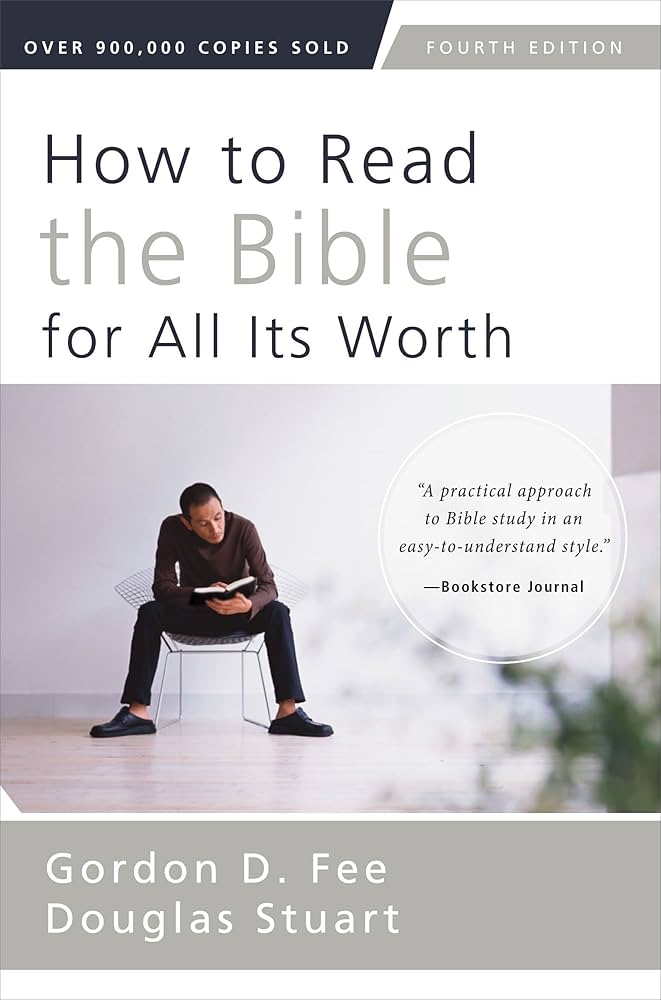
How to Read the Bible for All Its Worth
Gordon D. Fee & Douglas Stuart
The definitive guide to reading, interpreting, and applying the Bible across every genre — narrative, poetry, prophecy, epistles, and more. Essential for beginners and seasoned students alike.
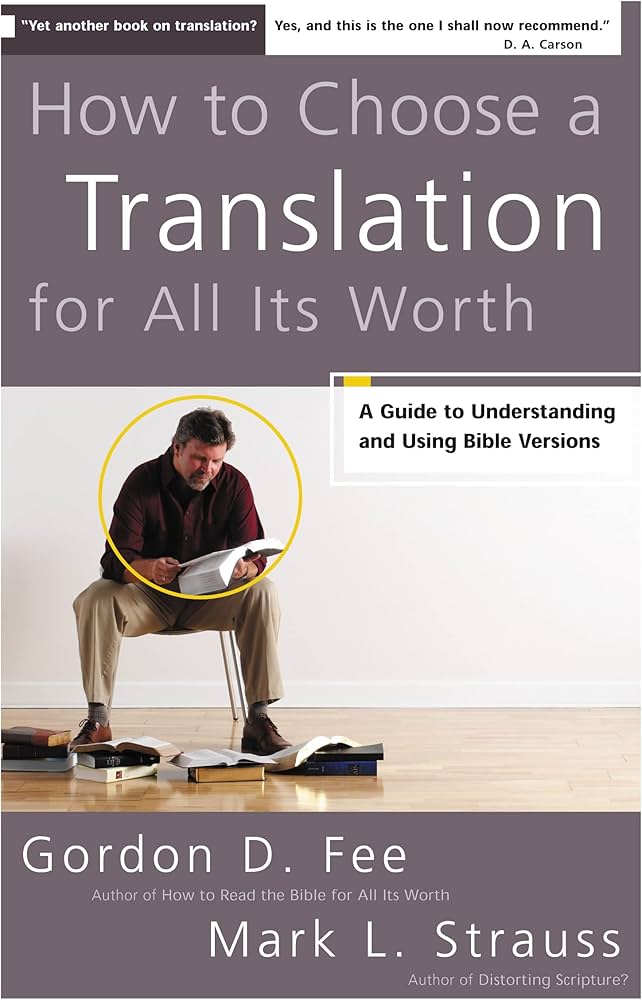
How to Choose a Translation for All Its Worth
Gordon D. Fee & Mark L. Strauss
A guide to understanding and using Bible versions. Explains the differences between formal, functional, and free translations so you can choose the right Bible for study, devotion, and reading.
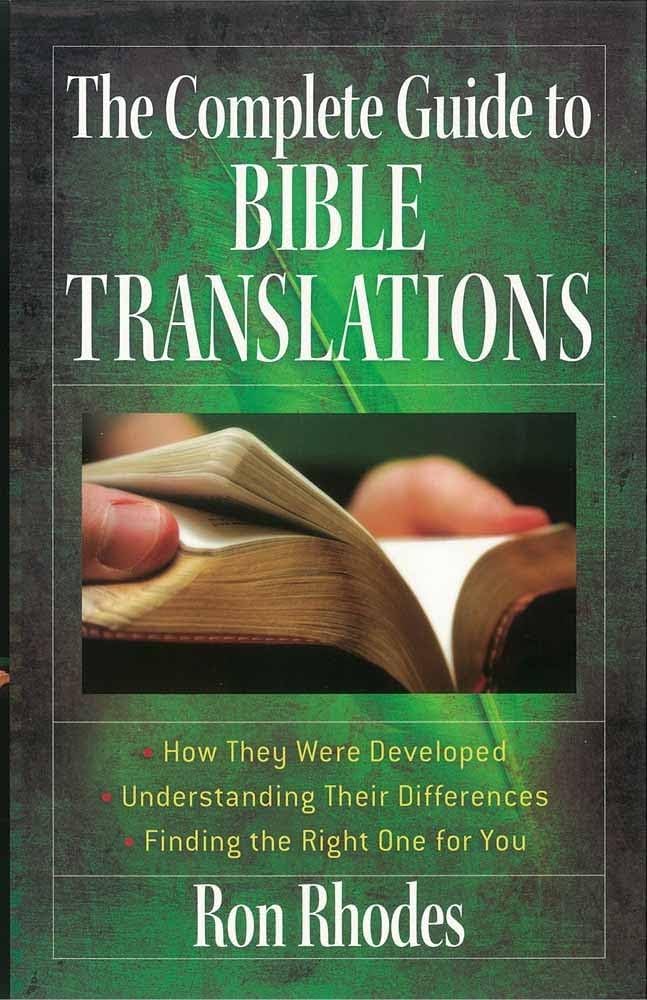
The Complete Guide to Bible Translations
Ron Rhodes
Covers how Bible translations were developed, their differences, and how to find the right one for you. Examines KJV, ESV, NIV, NASB, NLT, and more with balanced, accessible analysis.
As an Amazon Associate, BibleCompass earns from qualifying purchases.
Get the 7-Day Holy Week Devotional
Palm Sunday → Resurrection Sunday — free, delivered to your inbox
Related Articles

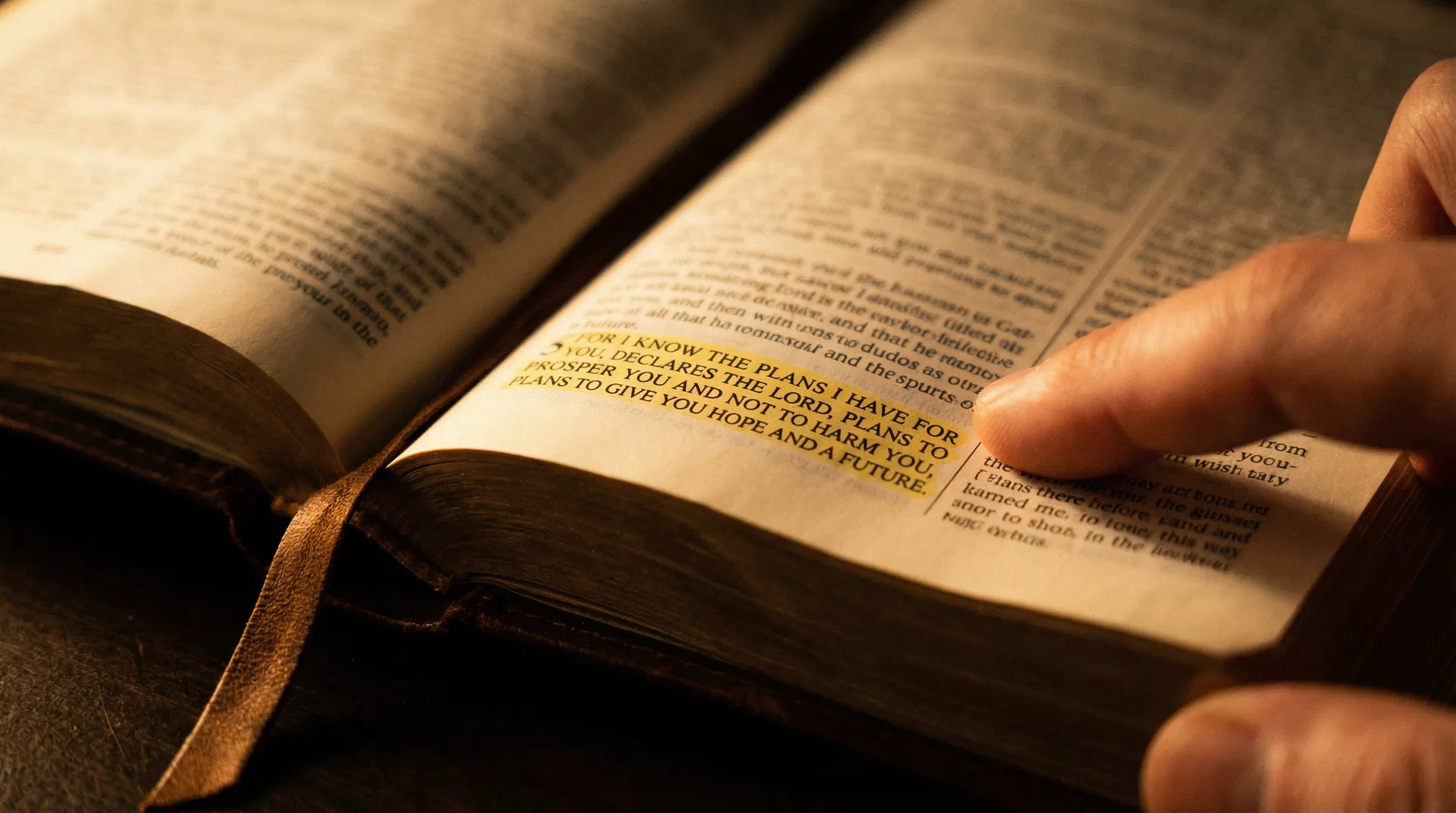
What Does Jeremiah 29:11 Really Mean?
Jeremiah 29:11 is one of the most quoted — and most misunderstood — verses in the Bible. The greeting-card version promises personal prosperity. The actual verse was written to exiles facing 70 years of captivity. Here is what it really means.
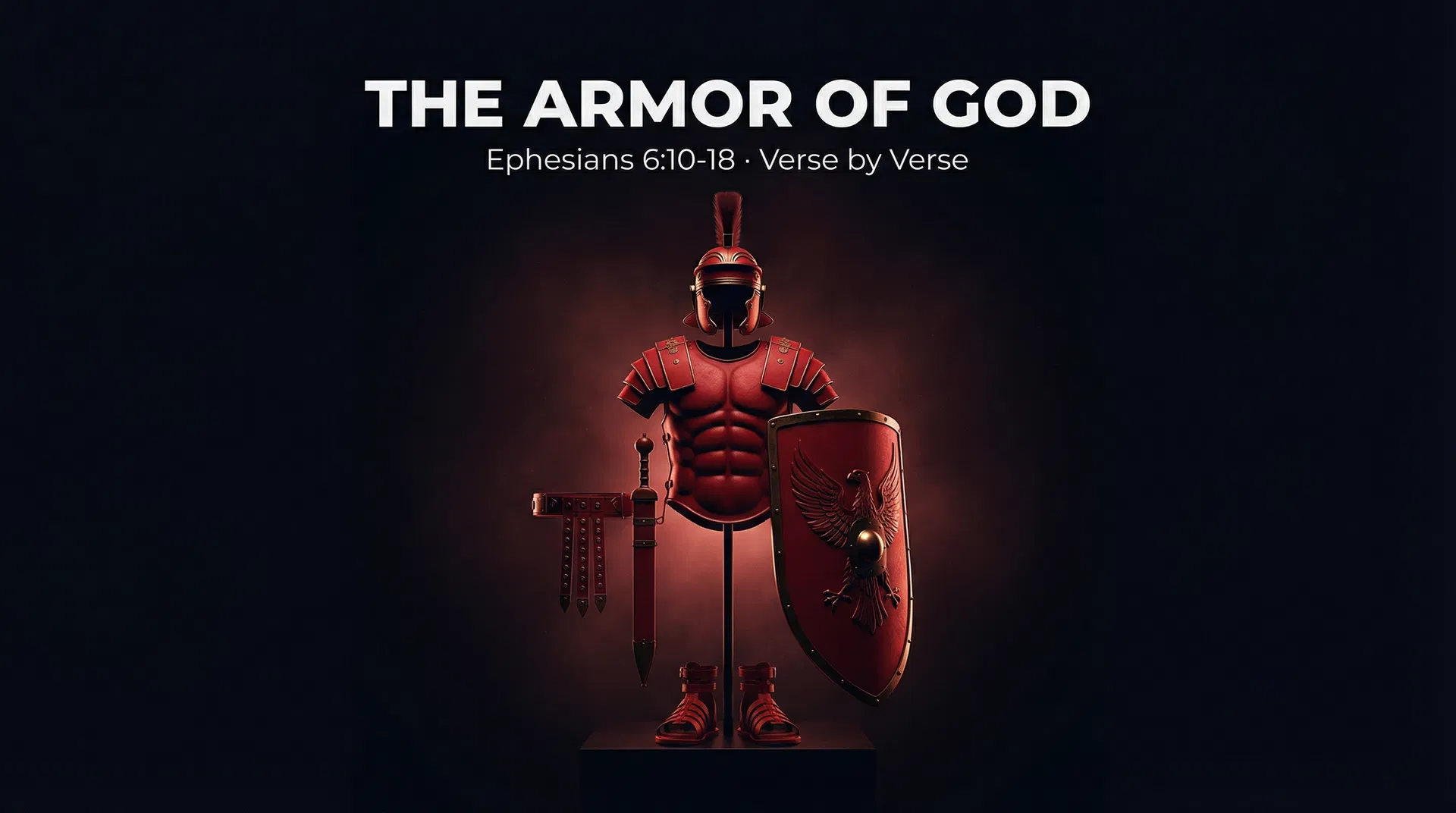
What Is The Armor of God? Ephesians 6 Explained
Paul's vivid metaphor of the Roman soldier's armor in Ephesians 6 provides a practical guide for spiritual warfare. This verse-by-verse study examines the Greek behind each piece — from the belt of truth to the sword of the Spirit.
Why Verse-by-Verse Bible Study Matters
Verse-by-verse study forces you to engage with the entire counsel of God — not just the passages you already know and love. Here is why it matters and how to do it.
Community Discussion
(0)Sign in to join the discussion.
No comments yet. Be the first to share your thoughts!
Continue Your Study
Explore the Bible with Scripture-grounded commentary, cross-references, and study tools.